Antonio Vivaldi (1678 – 1741) was a very prolific composer indeed, whose catalogue of works runs to over 800 pieces. Being a virtuoso violinist himself his best known works today are his string concertos of which he wrote about 350. By far the most recognised of these are his collection of four concertos from 1723 called ‘The Four Seasons’. An incredibly popular work brought to almost universal recognition by violinist Nigel Kennedy’s hugely successful 1989 recording. They contain tunes many would recognises and could hum along to even if their origin is unknown. Instrumental compositions aside Vivaldi also claimed to have written over 90 operas of which we have full scores or parts of about 50. This in itself is a very impressive output of stage works.

Although very popular and influential in their day, especially in his home city of Venice, Vivaldi’s operas fell out of favour during the 18th century and it was only with the late 20th century revival of interest in early music and period instruments that interest in his operatic output was reignited. To date a lot of his operas remain un-performed and un-recorded. That, at least at this stage thankfully, cannot be said of ‘L’Olimpiade’ which with other vocal dramas like ‘Orlando Furioso’ and ‘Griselda’ are now rather regularly staged.

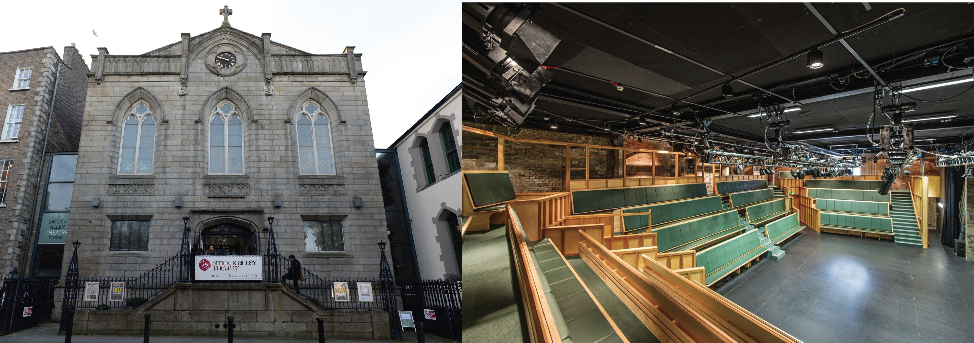
Behind the Teatro in the inset can be seen the Campanile de Santo Stefano.
L’Olimpiade was premiered at the Teatro Sant’ Angelo in 1734 to a libretto by prolific poet and librettist Pietro Metastasio. The libretto was originally written for Antonio Caldera for his opera of the same name the previous year. Vivaldi’s interpretation came hot on it’s heels and it in turn was quickly followed by versions from Giovanni Battista Pergolesi and a whole host of other composers. It certainly seemed to have been a very popular theme.
The story revolves around potential suitors competing in the olympic games for the hand in marriage of Aristea, daughter of King Clistine. But love triangles, betrayal, disguises and deceits create a rather complicated series of interweaving plots and sub-plots needing quite a bit of onstage explanation. It’s opera for goodness sake!
Here lies probably the major drawback of this particular baroque masterpiece. Though the opera contains numerous beautiful arias displaying impressive vocal agility they are at times strung together by rather tedious recitative. Recitative?… The kinda talky/singy passages of some operas to a sparse musical accompaniment that keeps you up to speed with what’s happening, (generally called a continuo or basso continuo since it is a simple pitch background for the vocal line). Essential, yes … but a bit hard on the eyes if the opera is not in your native language and you are trying to follow surtitles.

Complexity aside the essence of the plot is that Megacle loves Aristea and visa versa. But Licida also loves Aristea. There’s your love triangle for starters. Now Megacle owes his friend Licida a dept for saving his life and Licida calls in that debt. ‘Since you Megacle are the supreme athlete, pretend to be me… and win Aristea’s hand… for me.‘ This puts Megacle is quite an awkward position since he is in love with the princess as well. Love or loyalty, which to choose… and so the subterfuge and confusion unfolds as other sub plots and entanglements are gradually revealed. It can be tough going so do a bit of research beforehand is my advice.
The Solstice Arts Centre in Navan, Co. Meath was over half full for Vivaldi’s visit to the royal county. A broad age mix made up the audience including some young musicians from Julianstown Youth Orchestra. A video recording of their performance of the sinfonia (overture) to the opera was on show in the foyer prior to the performance.
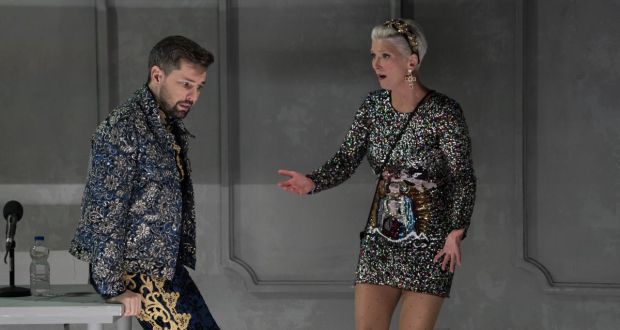
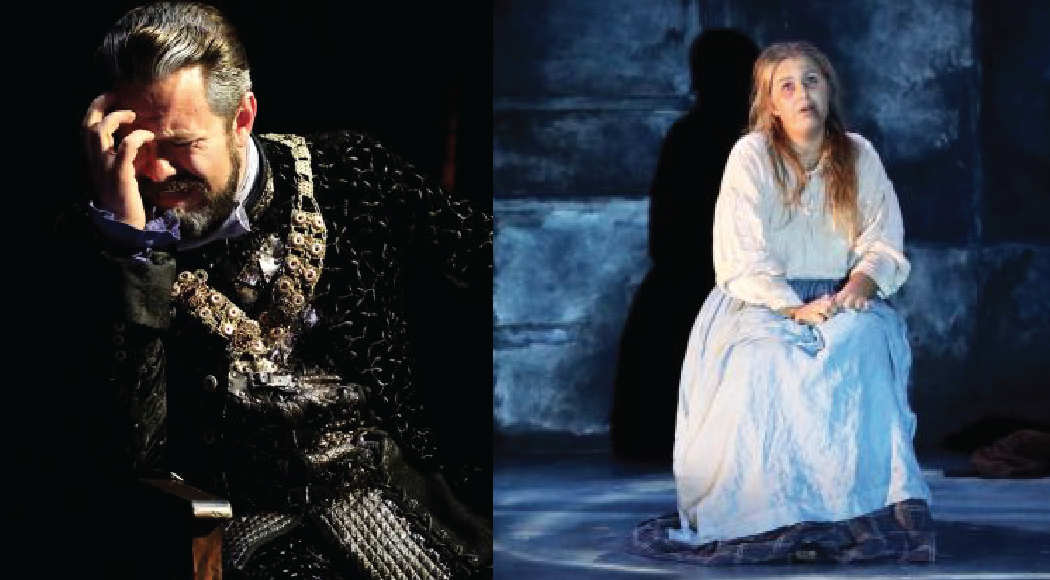
The set was a sparse affair mostly consisting of a curved set of seating echoing the seating of a classical Greek amphitheater which was pushed around the stage by the performers as needed. Occasionally flags & large sunflowers were used as props. Costumes were a hybrid of 18th century frock coats and dresses with sportswear echoing the period when the work was written and also the Olympian theme. The featured lighting was from a movable circle which hung over the stage perhaps echoing the rings of the olympic logo.

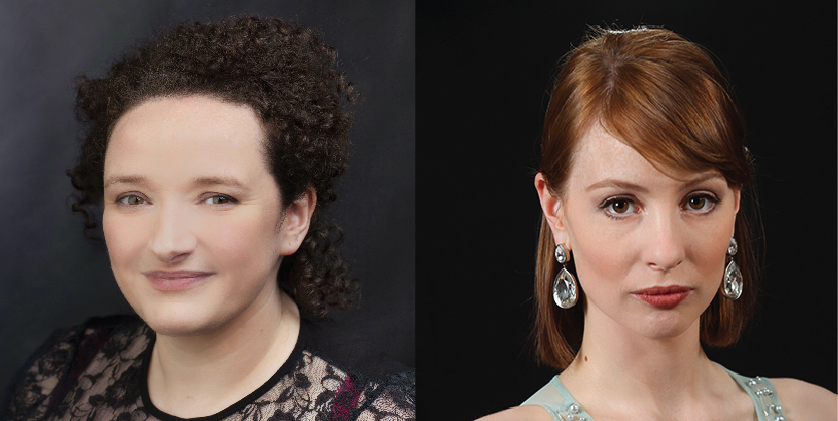
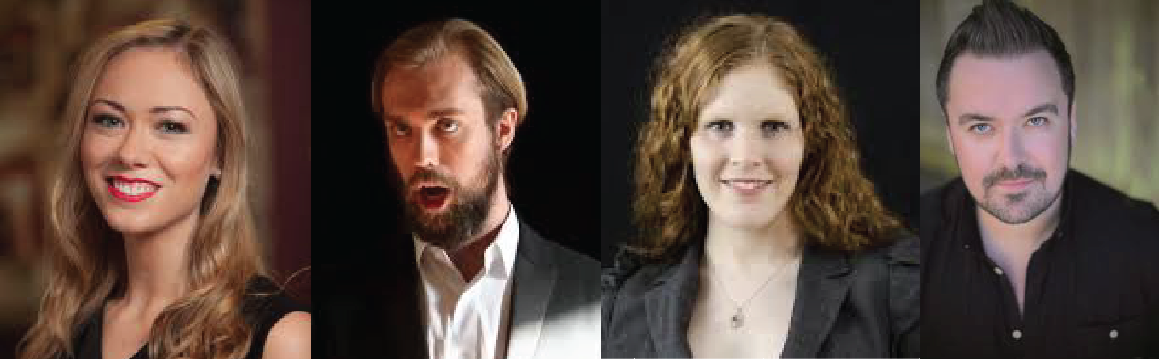
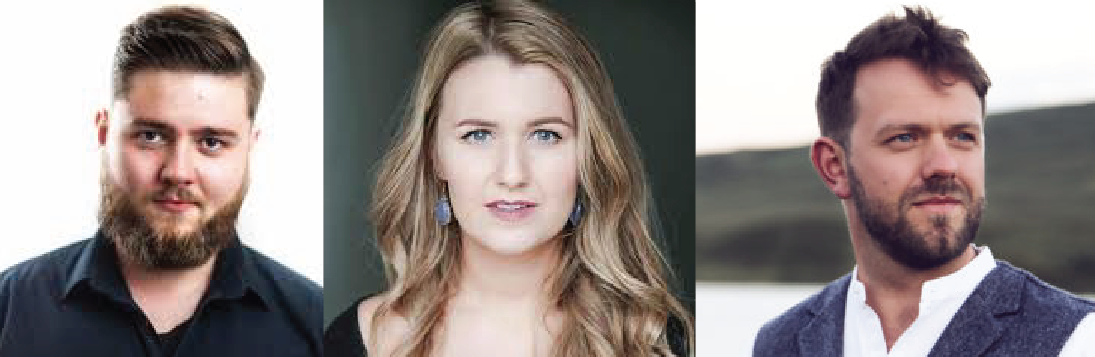
The international cast was certainly a strong one with confident and talented singing all round. Of particular note was countertenor Meili Li whose Licida was sung with beauty and sensitivity. His Act I aria ‘Mentre dormi, amor fomenti’ (Love grows while you sleep) was captivating. His singing matched by an assured stage presence. Soprano Rachel Redmond was a wonderfully impish Aminta and treated us to an excellent rendition of the showstopper act II aria ‘Siam navi all’onde algenti’ (we are ships on a rough sea) which brought down the curtain for the intermission.
Seán Boylan had a smaller part as Alcandro but his singing was quite exceptional. A rich deep baritone with incredible power and precision. The voice of the evening in my opinion. Mezzo soprano Alexandea Urquiola was accomplished and confident as Ariatea, her singing resonant and bright. Her short aria ‘Tu da me dividi’ (You have departed from me) delivered with urgency and energy. I felt Gemma Ni Bhriain’s acting lacked a touch of commitment but her singing was concise and accomplished. Beautifully delivering the gorgeous act III high point aria ‘Lo seguitai felice’ (I would gladly follow). Chuma Sijeqa was a suitably robust presence as King Clistine. His rich baritone voice was clear and resonant and was accompanied by a strong stage presence.
The musical accompaniment was provided by members of the Irish Baroque Orchestra lead by Peter Wheelan at the harpsichord. Mostly strings as would befit a work by Vivaldi, these were augmented by bassoon and lute and a quite animated double bassist.
All in all this was a very enjoyable performance of an opera which has some absolutely beautiful arias. L’Olimpiade is a complicated opera to follow but it was presented in an enjoyable and entertaining way. The onstage performances kept the audience engaged even if the story may have been occasionally unclear. The singing, and playing were first class.
Next live review up, Guiseppe Verdi’s classic ‘La Traviata” in a couple of weeks
#LoveOpera
















 operakey